| Buying situation | Evidence for the decision |
|---|---|
| A180 body is not clearly identified | Obtain original evidence for the actual candidate before comparing access or loading. A shortened designation is not proof of a hatchback, saloon or a particular generation. |
| Customer considers it mainly for a lower amount | Compare complete preparation and the useful task result on one buying basis. A cheaper headline cannot replace an essential passenger, equipment or condition requirement. |
| Similar trim names imply the same features | Verify functions separately on each car. Shared manufacturer identity and screen appearance do not establish identical hardware, options or destination services. |
01Identify both candidates separately
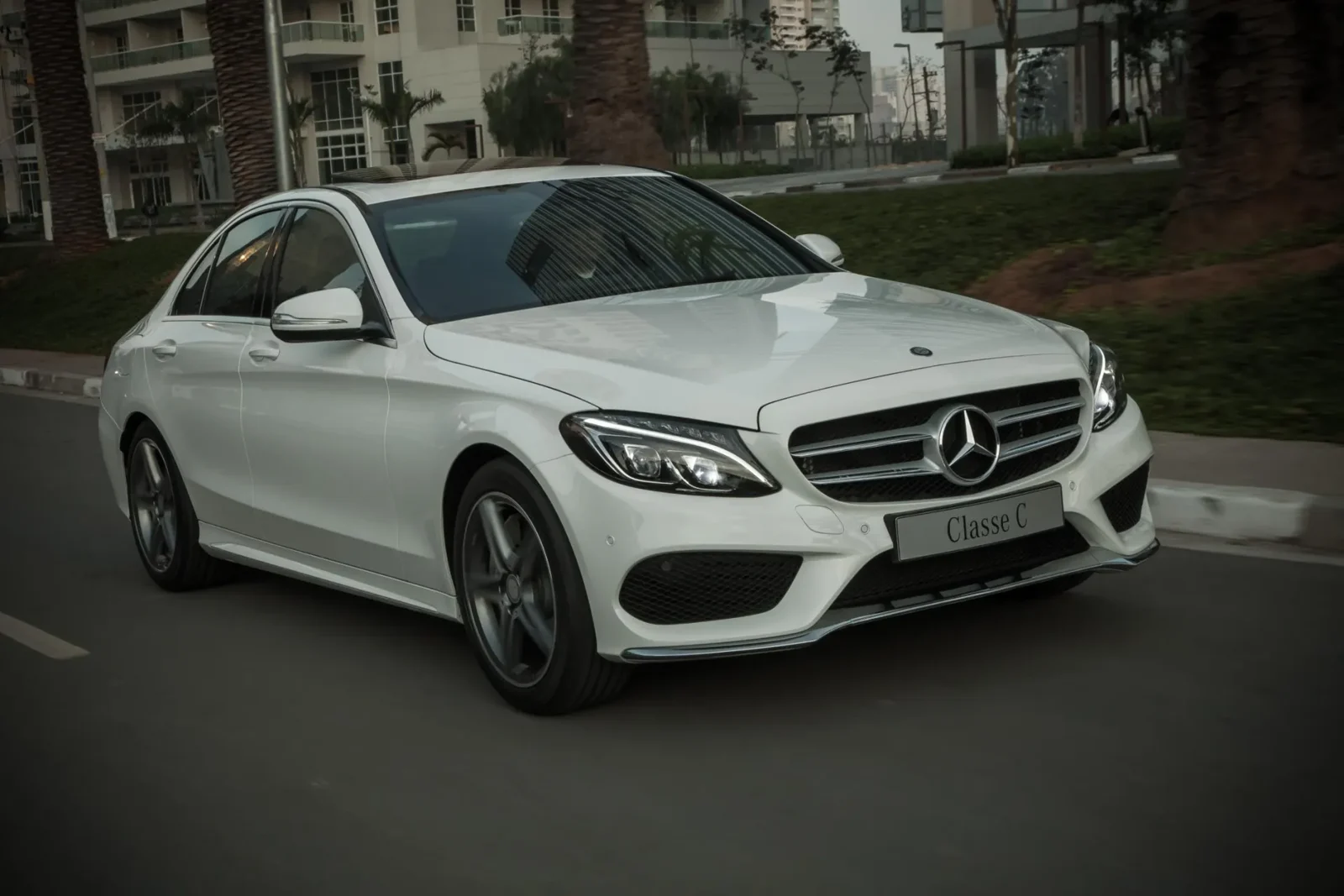
Obtain build, original market, body, powertrain and status records for the C180 and A180. Do not assume an A180 body solely from the shortened designation; the actual offer needs identification. Use the C180 identity method and equivalent original evidence for the A-Class candidate. A current model reference should not automatically describe an earlier car. Keep equipment and photographs attached to their vehicles. A meaningful comparison needs two real propositions, rather than one used saloon contrasted with an idealised newest brochure version of another model whose body or condition has not been established.
02Ask why the alternative entered the shortlist
Write the customer's reason for considering the A180 alongside the requirements originally assigned to the C180. It may involve daily access, a preferred control arrangement or a complete budget difference, but define the actual task. Brand familiarity does not establish equal equipment or support. Keep design preference separate from mandatory functions. If a requirement can change, obtain an explicit revised brief rather than silently replace it. The dealer should be able to explain what the alternative is expected to solve before using model positioning or a lower asking price as a reason to recommend it.
03Try the ordinary occupant and loading arrangement
Assess driver position, passenger entry and required seating on both actual cars, using fair normal settings. The C180 practical cabin review gives one side of the comparison; the A180 needs its own body-specific assessment. Test normal luggage with the seats needed for the journey retained. Do not infer an item fits from a volume or exterior shape. Record which task was demonstrated and what remains unavailable. A practical result can justify choosing the alternative, but it should be connected to the actual occupants and load rather than a general statement about which Mercedes model is more convenient.
04Verify controls and features independently
List the essential installed functions and demonstrate them under applicable instructions. Similar trim language or a screen does not prove identical capabilities across model families. Keep original options and later additions separate, especially for phone or account-dependent features. A successful demonstration on one car cannot establish the same result on the other. If a function is priced but untested, retain that gap before approval. The buyer should compare actual usable equipment in their intended arrangement, without transferring every feature associated with the Mercedes brand into both sale descriptions.
05Align the evidence and finished buying cost
Apply appropriate status and condition assessment to each offer, adapting the record to new or used status. A different range position does not prove better maintenance or lower preparation cost. Ask relevant providers to quote work for the identified configurations and align currency, included items and delivery stage. Keep uncertain outcomes separate from firm amounts. Do not invent a universal fuel, reliability or resale advantage to explain the price difference. The dealer's recommendation should describe the complete starting proposition for each car and the verified benefit or compromise the customer actually accepts.
06Retain the chosen model and substitution limits
Write the actual body, powertrain, useful equipment and accepted condition with the reasons for the selection. State whether another model can be proposed and what must remain unchanged. Keep candidate files distinct so a substitute cannot inherit another car's inspection or fit result. Reconcile promised preparation before release. If neither vehicle meets the essentials, request another offer rather than force a decision from two unsuitable options. The result should let the sales team explain why this C180 or A180 fits the customer without a blanket claim that model size, range position or asking amount makes it the better purchase everywhere.
If a BMW saloon is also acceptable, the C180/320i comparison applies the same requirements to a separately identified third candidate.
Before agreeing the offer
- Both bodies identified
- Alternative reason explicit
- Occupants and load assessed
- Functions independently verified
- Evidence/costs aligned
- Model approval retained
Buyer questions
Does an A180 name alone identify the body?
No. Confirm the actual generation, body and original-market record.
Can shared Mercedes branding prove equal equipment?
No. Each candidate requires its own configuration and function evidence.