| Buying situation | Evidence for the decision |
|---|---|
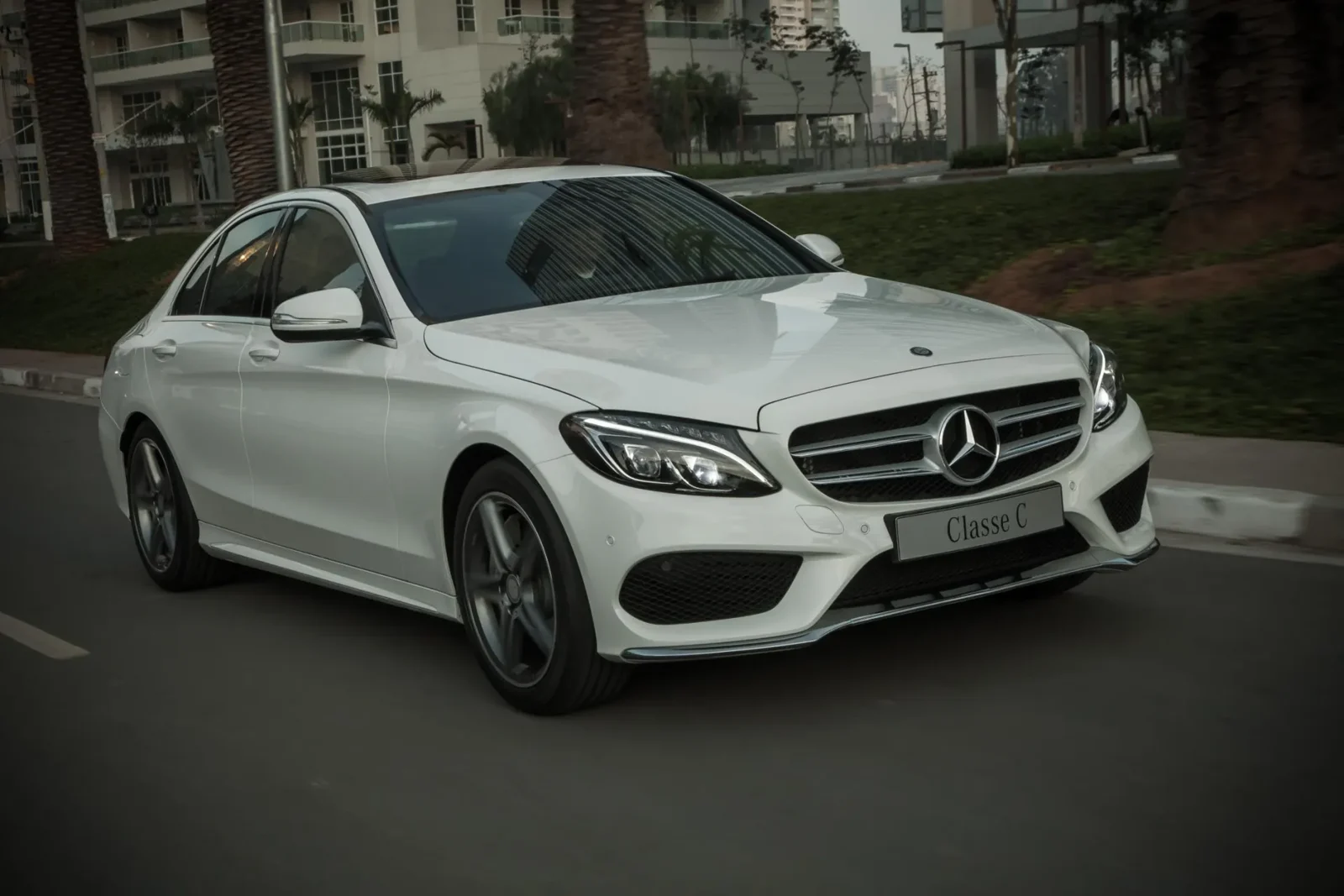
| Media shows a representative rather than identified car | Request candidate-specific current evidence and original records. A model-family image cannot establish stock, fitted equipment or the condition of the actual C180 being offered. |
| Video is used as a complete inspection claim | Define the qualified assessment still needed and retain access limits. Visible operation or presentation cannot establish every hidden, structural or mechanical result. |
| A concern is said to be fixed after viewing | Ask for relevant completion and recheck evidence matched to the candidate. Another edited overview does not automatically resolve the original material question. |
01Establish the vehicle behind the media
Request the original designation, build, market, body and relevant status information through the agreed process. Keep photographs, viewing records and documents matched to the candidate and their dates. A representative C-Class image does not establish a C180 offer. Use the vehicle identity method to resolve conflicting listings before comparing price. If a seller changes the candidate, obtain a new record rather than carry forward the first car's evidence. The buyer needs a stable proposition so later condition findings and demonstrated features cannot drift between similar vehicles in a remote conversation.
02Ask for evidence that answers specific tasks
List the features and visible areas relevant to the buyer brief, then request a suitable current demonstration or photographs. A live viewing can help clarify identity and ordinary operation, while still leaving many technical questions beyond remote assessment. Record what was shown and under what conditions. Do not ask the operator to create unsafe tests or expose unrelated personal records. The dealer should use the media to answer defined questions, not reward the longest edited video. An attractive overview can support communication without proving every function, hidden area or current condition on the car.
03Separate media observations from qualified conclusions
A photograph can show a visible mark or control, but it does not establish the complete structural, mechanical or system outcome. Use the inspection-scope guide to identify what a competent local assessor should review. State whether access or driving assessment was unavailable and retain those limits. Do not diagnose a hidden component from one sound clip. A remote seller description and a provider report are different evidence items. The buyer should know where further investigation is needed before treating a clean presentation or short display demonstration as complete acceptance of the actual vehicle.
04Keep a focused discrepancy list
Compare the media and documents with the agreed brief and list inconsistencies by their location or function. Ask clear follow-up questions rather than collect repeated general photographs. If the equipment description changes, obtain supporting original and installed information. If a condition concern is corrected, request the relevant outcome evidence instead of another polished overview. Keep dates so a current result is distinguishable from a superseded one. A useful remote file lets another colleague understand which task was answered and which remains open, avoiding a false impression of certainty created by the volume of messages.
05Price only a defined accepted scope
Obtain complete quotations for supported preparation and identify excluded or unresolved items. A remote estimate for a visible component should not be treated as a diagnosis or finished repair. Align the vehicle, currency, included accessories and delivery stage before comparing alternatives. Do not let urgency or an attractive amount replace essential evidence. If the required assessment cannot be arranged, keep the car unapproved or obtain an explicit customer decision through the actual process. The dealer's allowance should follow supported information, with no invented condition assurance or promise that every unseen concern can be sorted after purchase.
06Reconcile current evidence before release
Retain the approved identity, demonstrated functions, qualified findings, completed work and accepted limitations in the vehicle file. Ask for the agreed current evidence if the car is moved, prepared or replaced after viewing. New proposals need status and delivery checks; used ones additionally retain history and present findings. A substitute requires independent review. At receiving, compare the actual vehicle with the approved record rather than generic media from the earlier conversation. This gives the buyer a clear remote-purchase method without treating video as inspection certification or promising that every future outcome is guaranteed by a viewed screen and tidy exterior.
For a multi-car enquiry, retain the order variation rules so a remote substitute cannot silently change the common requirements or inherit another car’s approval.
Before agreeing the offer
- Candidate identity stable
- Viewing tasks specified
- Media limits explicit
- Discrepancies tracked
- Supported scope quoted
- Final evidence reconciled
Buyer questions
Can a seller video replace every inspection?
No. Use it for the specific observations it supports and arrange qualified assessment for material questions.
Can media from another similar C180 approve a substitute?
No. Obtain independent candidate-specific records and assessment.