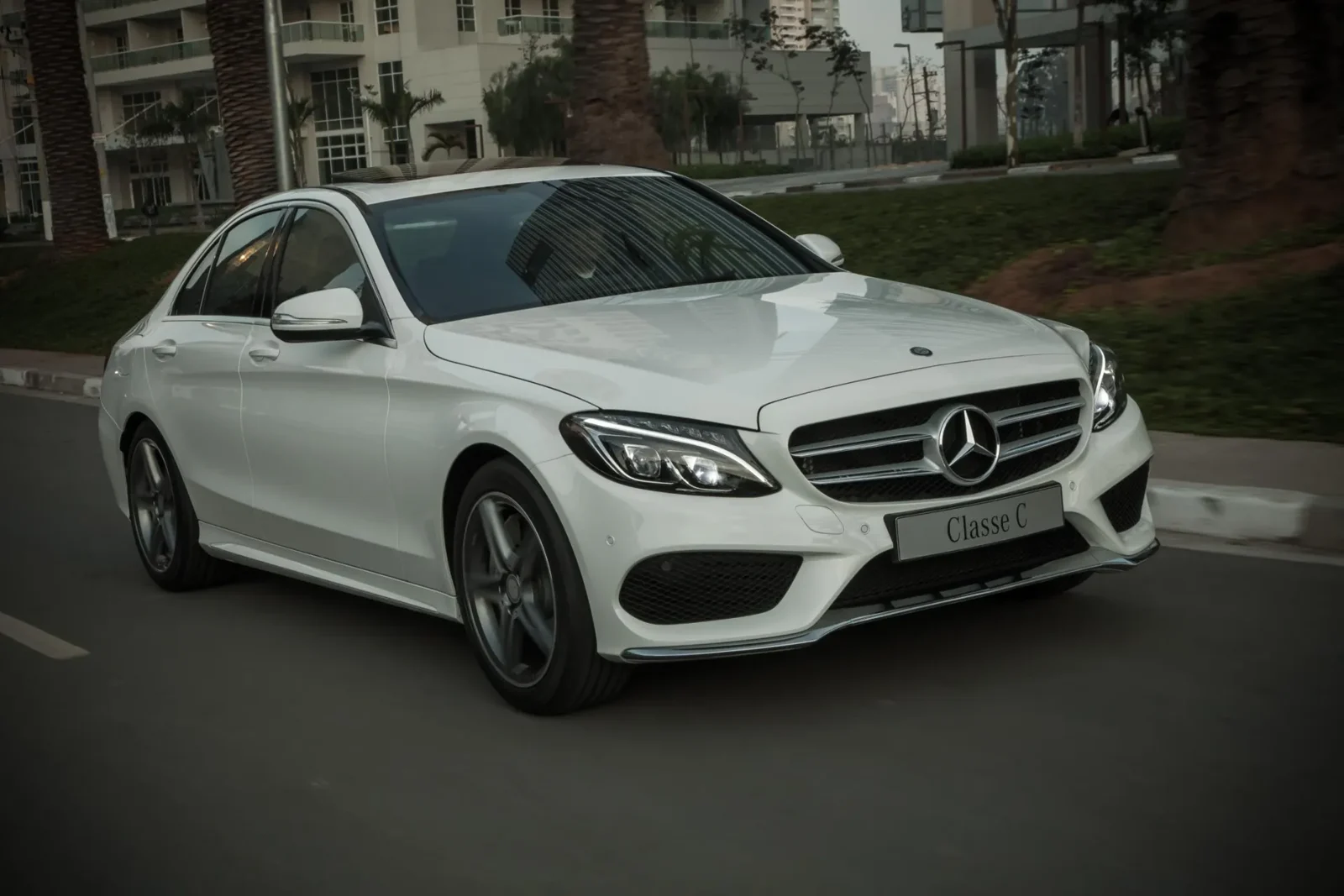
01Start with the actual generation and body
W204 and W205 identify successive C-Class saloon generations, not trim levels or a fixed engine capacity. The Mercedes-Benz archive documents the W204 saloon launch in 2007; the Brazil release documents the succeeding C-Class arrival there in August 2014. These are historical reference points. Regional launch dates, production dates and first registration should not be treated as interchangeable boundaries for every advertised car.
Ask for the VIN-linked build record and body designation, especially around changeover periods. A different bumper, grille or multimedia screen cannot turn one generation into another. Use C180 years and identity to resolve the description first. If a long-wheelbase saloon is proposed, compare that specific body rather than silently substituting it for a standard-wheelbase example.
02Decide whether the cabin change helps your customer
The later generation brought a different interior arrangement, but photographs cannot establish whether an individual seat, control or screen meets the buyer requirement. Request views from the driver position, rear seating area and boot. Ask the assessor to explain seat settings when showing rear legroom. Wide-angle photographs and front seats pushed forward make comparisons unreliable even when both cars are correctly identified.
Put the most important daily tasks ahead of decorative finish. Rear passenger access, seat adjustment, luggage loading and climate operation can matter more than the appearance of a central display. The cabin comfort review supplies a consistent assessment approach. If the customer needs a particular phone function, test it on the actual system rather than assuming the newer cabin includes it.
03Separate generation from the mechanical choice
Do not assign one engine or automatic gearbox to an entire generation. Production changes and original markets can alter the mechanical specification within the same body family. Write the documented engine and transmission beside each offer, then check that the service and inspection records describe the same vehicle. A later generation designation is not a substitute for that information.
If a W204 listing mentions Kompressor and another simply says C180, establish the difference before comparing maintenance costs. Read the Kompressor versus turbo guide for the charging-system distinction. Similarly, use the actual transmission identification when a seller advertises seven or nine gears. More ratios, a smaller engine or a newer registration alone does not establish better condition or lower future expense.
04Compare age, mileage and evidence together
A lower odometer reading does not remove the effects of storage, previous repairs or missing servicing. Ask for a dated history and an independent assessment of the areas that matter to the purchase. An older W204 with useful records should not be dismissed solely because another car looks newer, but documentation must still be checked against the present condition.
Give both candidates comparable assessment scope: body and accessible repair evidence, mechanical operation, diagnostics, consumables and essential cabin functions. Record unavailable checks rather than marking them passed. The cost of bringing the car to the agreed standard belongs in the comparison. A recently refurbished interior can improve presentation while leaving unrelated mechanical questions unanswered, so keep cosmetic preparation separate from the technical findings.
05Make the price difference understandable
Compare vehicle price, assessed preparation, supplied accessories and the agreed delivery stage in the same currency and on the same date basis. Where one seller includes work and another offers the car as inspected, list the difference explicitly. Otherwise the cheaper quotation can become a more expensive purchase after the buyer pays for missing items or additional preparation.
Consider the customer benefit purchased by the extra budget. It might be a particular installed feature, more suitable cabin arrangement or stronger condition evidence. Do not assign an automatic resale premium or guaranteed reliability advantage to W205. The dealer quotation guide helps keep those commercial assumptions separate from confirmed scope, allowing a dealer to explain the selection without unsupported claims about future market value.
06Use a decision rule that can survive a changed offer
Choose the W204 if its verified specification meets the customer brief and its condition, preparation and support fit the total budget better. Choose the W205 if the benefits of the particular later car justify the extra commitment after the same checks. If neither candidate satisfies the evidence or equipment requirement, continuing the search is a valid result of the comparison.
For dealer batches, apply that rule per vehicle instead of accepting all cars from a preferred generation. Send Panda the accepted body families, required equipment, destination and condition preference. Earlier examples are normally considered through identifiable used offers; any proposal described as new requires separate production and registration evidence. Keep alternatives clearly labelled so the receiving team can explain why each car was selected.