| Buying situation | Evidence for the decision |
|---|---|
| Later appearance is the only update evidence | Obtain the original production and market record. A changed exterior component or recent registration cannot establish the full factory specification of the offered C180. |
| Customer wants one facelift-associated function | Verify that feature on the candidate and demonstrate the relevant task. Another market’s model announcement cannot substitute for the actual installed equipment and its operation. |
| Condition changes the apparent premium | Compare complete supported preparation on the same buying basis. Do not hide unresolved work inside a generic age allowance or use a guaranteed resale claim to justify the preferred offer. |
01Identify the update using the vehicle record
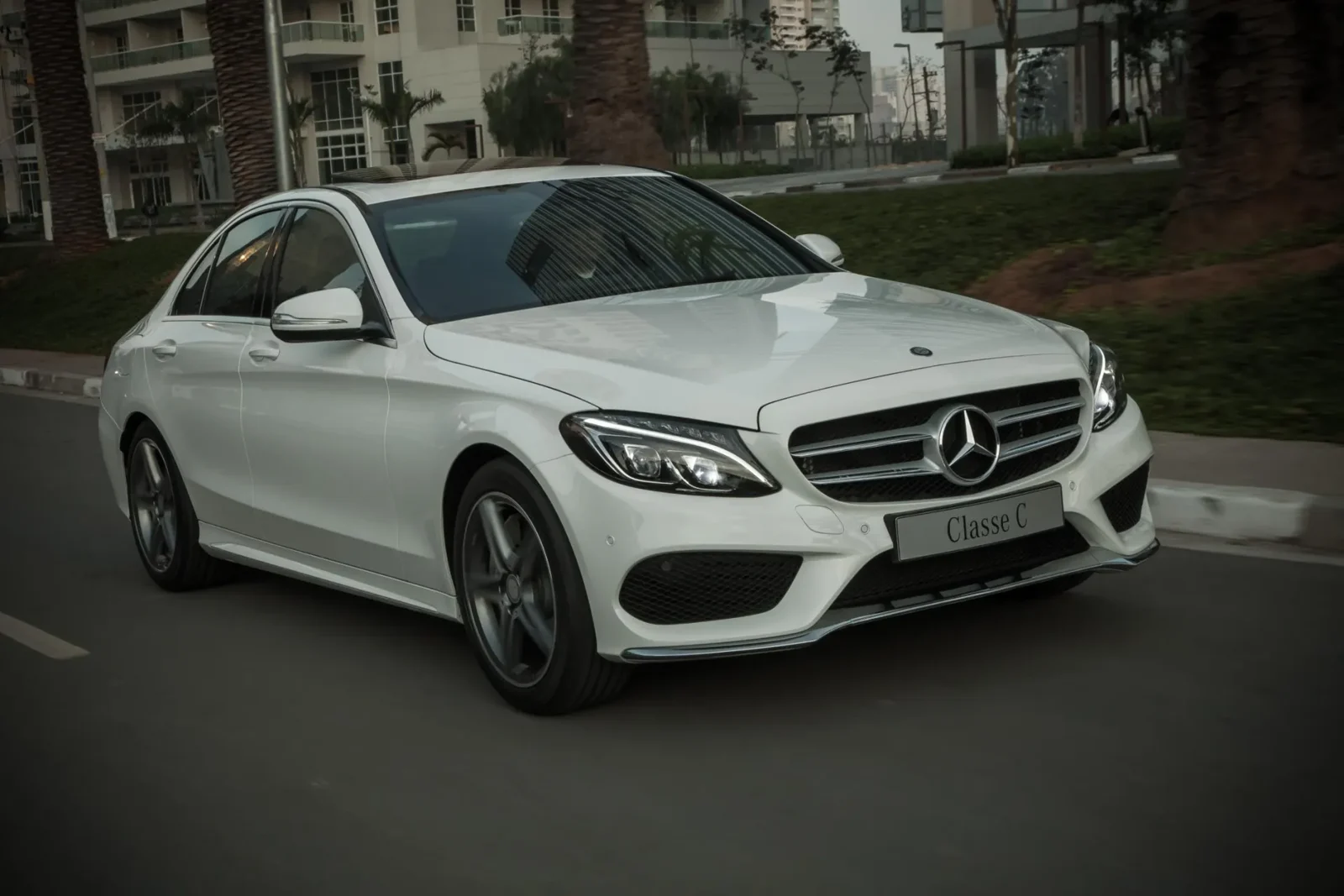
Ask for production information, original market and the actual C180 designation before calling a candidate facelift. Mercedes-Benz's US announcement presented the updated C-Class at Geneva in 2018 and described its own market launch; it does not identify a particular China-sourced C180 or establish every market boundary. Use the year and identity guide to resolve the offered build. A replaced grille or lamp can change appearance without establishing the original update. Keep the configuration record with the photographs so that the premium concerns an identified car rather than a seller's revised headline.
02List the differences that matter to the customer
Ask which change prompted interest in the updated car: a particular control, installed function or appearance preference. Translate that request into evidence for the candidate rather than a general statement that the facelift has more technology. Equipment can vary with market and options. Use the actual-build equipment method for original inclusions and disclosed additions. A buyer should know whether the useful feature is present and functional before paying for it. Extra changes the customer will not use remain preferences; they should not automatically outweigh a clearer condition record on an earlier car.
03Keep the mechanical comparison independently identified
Record each candidate's engine and gearbox rather than transferring a published change across every facelift C180. The overall model update is a context, not a diagnosis or universal mechanical specification. Give the inspection provider the actual combinations and available service records. Arrange an appropriate driving assessment and retain its conditions. A later car can still have an unresolved concern, and an earlier one can have documented preparation. Compare supported findings without an assumed generation-wide repair forecast. If the installed system cannot be established, keep that candidate provisional before using it to calculate a complete purchase allowance.
04Test the cabin benefit in normal use
Have the intended driver and relevant passengers try the required seating and controls on both offers. Keep ordinary front-seat positions and the same practical tasks so the comparison is fair. A larger-looking display or altered steering wheel does not establish easier use for everyone. Where phone functions are important, identify the handset arrangement and any service limitation separately. Record what was demonstrated and what could not be assessed. The buyer needs a practical reason for preferring the later configuration, with comfort and daily use judged on the real car rather than an idealised brochure version.
05Calculate the premium after assessed preparation
Align asking amounts, currency, included items and delivery stage. Add diagnosed work with complete quotations rather than inventing a fixed facelift allowance. A later-looking offer may require parts, setup or cosmetic preparation that changes the apparent gap. Keep unconfirmed results outside firm totals. Conversely, do not dismiss a useful verified feature simply because the earlier car is cheaper. The relevant comparison is the cost of meeting the customer brief with each candidate. Avoid guaranteed resale or maintenance claims; the useful equipment and individual evidence should explain the additional amount today.
06Retain a decision that survives substitution
Record which build, features and condition requirements were accepted and which are flexible. If another car is proposed, verify the update and essential functions again rather than inheriting approval from similar styling. New-described candidates still need status and delivered-condition evidence; used ones also need their chronology and current findings. Keep promised work with the actual vehicle file before release. A defensible recommendation explains why one W205 offer fits this customer after preparation, without claiming that every facelift is better equipped, mechanically healthier or worth the same premium.
If age and equipment pull in different directions, use the high-trim versus newer-base comparison to keep mandatory customer features ahead of a newer registration headline.
Before agreeing the offer
- Build and update identified
- Useful changes listed
- Mechanical records kept separate
- Cabin tasks demonstrated
- Preparation aligned
- Substitution limits written
Buyer questions
Does a facelift grille prove the updated factory build?
No. Match appearance with original production, market and configuration evidence.
Does the 2018 US launch define every C180 registration boundary?
No. It is a dated regional reference; identify the actual market and build separately.