| Buying situation | Evidence for the decision |
|---|---|
| A4 identity is described only broadly | Obtain actual body, market and powertrain evidence before using references. A family name cannot establish every installed system, option or feature on the candidate. |
| Equipment wording makes one offer look stronger | Verify required tasks individually and keep untested claims provisional. Similar screens or package names across brands are not proof of the same capability. |
| Cheaper quote omits preparation or delivery scope | Align the full buying basis and supported work before deciding. A headline amount cannot establish the complete cost of meeting the customer’s condition and equipment requirements. |
01Identify each body and powertrain independently
Obtain build, original market, actual body, powertrain and status records for the offered cars. A general A4 description can cover different candidates, and current Audi marketing need not describe the particular used vehicle. Apply the C180 identification method and obtain equivalent original evidence for the Audi. Do not transfer equipment or component assumptions between manufacturers. Owner-information routes help locate guidance but do not certify an offer. The dealer needs two defined propositions before assessing their costs, rather than a familiar model-name comparison that leaves the actual cars and mechanical systems unresolved.
02Translate the customer brief into required tasks
Ask which passenger, driving or functional requirement brought the buyer to these saloons. Rank essentials separately from style and brand preference. A package name should become a list of verified inclusions, not automatic points in favour of one advertisement. Use the C180 equipment method and a separate actual-feature record for the A4. If the buyer permits a trade-off, retain it explicitly. A fair comparison should show how each candidate meets ordinary needs and which limitation remains, without assuming one manufacturer is always better equipped or inherently the more sensible dealer stock.
03Check practical fit on both actual cars
Set normal driving positions and assess passenger entry, required seating and everyday luggage with applicable guidance. Keep the same people or clearly described needs in both assessments. An external body measurement cannot establish every occupant's comfort, and a volume cannot prove a particular item passes through the opening. Record the useful result and any unavailable demonstration. If fit is the deciding requirement, resolve it before presenting a price recommendation. A dealer should explain the benefit of the identified configuration rather than borrow a result from a different generation or original-market body sharing the same badge.
04Use demonstrations with clear limits
Verify essential controls and functions on each installed setup and follow relevant instructions. Shared segment positioning does not establish identical operating behaviour. Keep local phone connections, online services and any account requirement separately recorded when export affects the arrangement. Arrange suitable safe driving observations and qualified follow-up for material concerns. A short seller video can support an enquiry without verifying every system. The buyer should understand which tasks succeeded, what remains provisional and whether the evidence applies to the exact candidate. Do not let a newer-looking display or an attractive function label become a verified outcome by assumption.
05Compare preparation and destination capability
Ask appropriate providers about the actual configurations and obtain complete quotations for supported work. New-described vehicles need status and delivery review; used ones also need chronology and current findings. Align currency, included items and delivery stage. Parts availability, workshop capability and written warranty commitments are different evidence items. Keep uncertain outcomes outside firm amounts. Avoid broad fuel, reliability or resale rankings when the candidate records do not establish them. The dealer should explain the complete buying difference after preparation, allowing the customer to see which useful feature or accepted compromise accounts for the amount.
06Keep the approved model and record distinct
Write the selected body, powertrain, essential equipment and condition requirements with the reason for the choice. State which substitution would require renewed review. Retain each file separately so a replacement cannot inherit another car's observations. Reconcile promised work before release and give the receiving dealer an identifiable record. If both meet the brief, present real trade-offs rather than a universal winner. The comparison should support this customer's actual purchase, without treating a model-family name, badge preference or advertised package as proof of all specifications and future ownership outcomes.
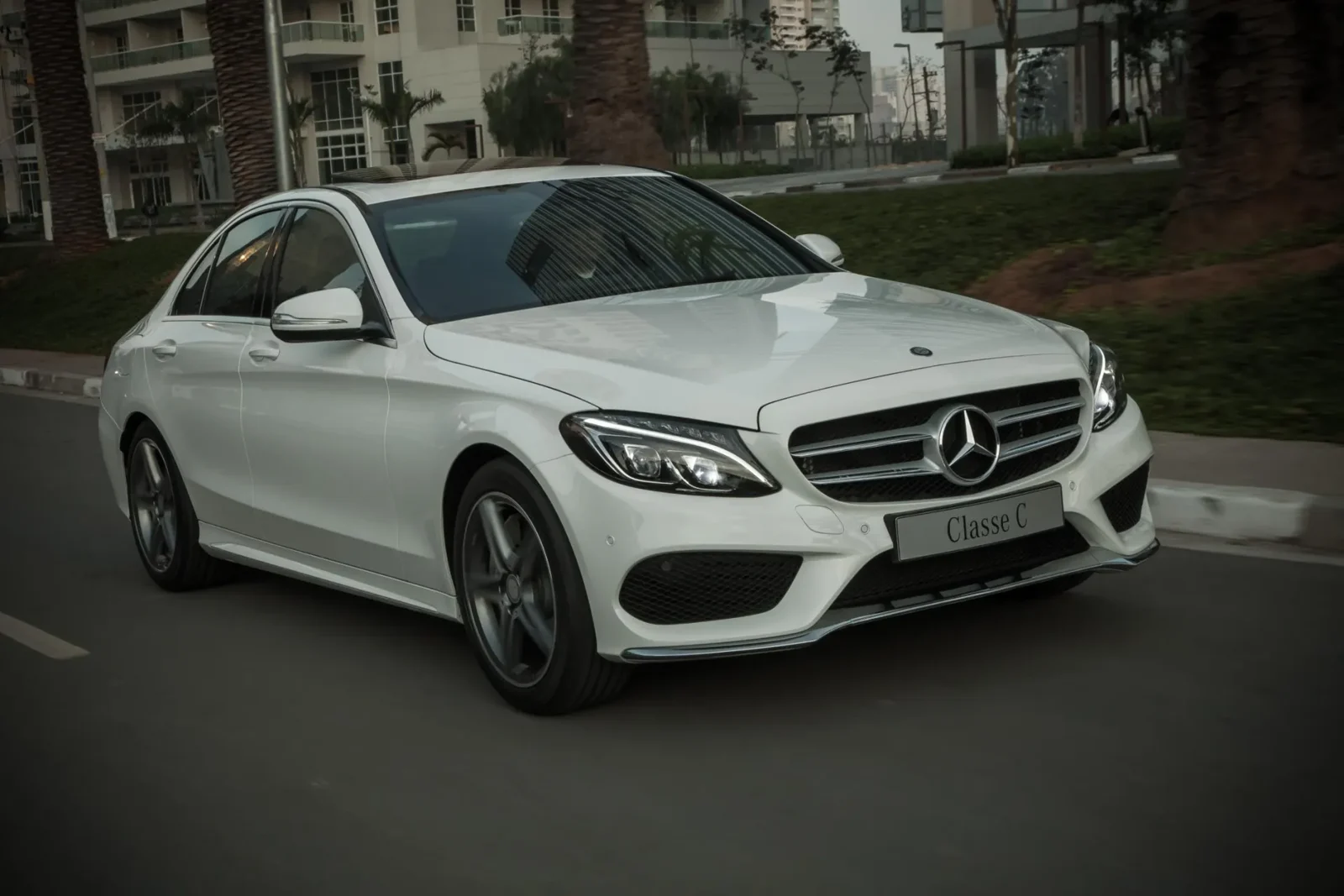
When a smaller Mercedes alternative is proposed, the C180/A180 review verifies the actual body and daily-use result instead of treating a lower range position as the answer.
Before agreeing the offer
- Separate identities established
- Required tasks named
- Practical fit checked
- Demonstration limits retained
- Provider/cost scopes aligned
- Approved file kept distinct
Buyer questions
Can a current Audi model page describe every used A4?
No. Match the reference to the actual build, body, market and configuration.
Should I compare only package names and asking prices?
No. Verify useful features, condition, supported preparation and the same buying scope.